
-
Address: 1215 San Francisco
San Antonio, TX 78201 -
Call Us: 210-735-9235
gillette@gillette-ac.com
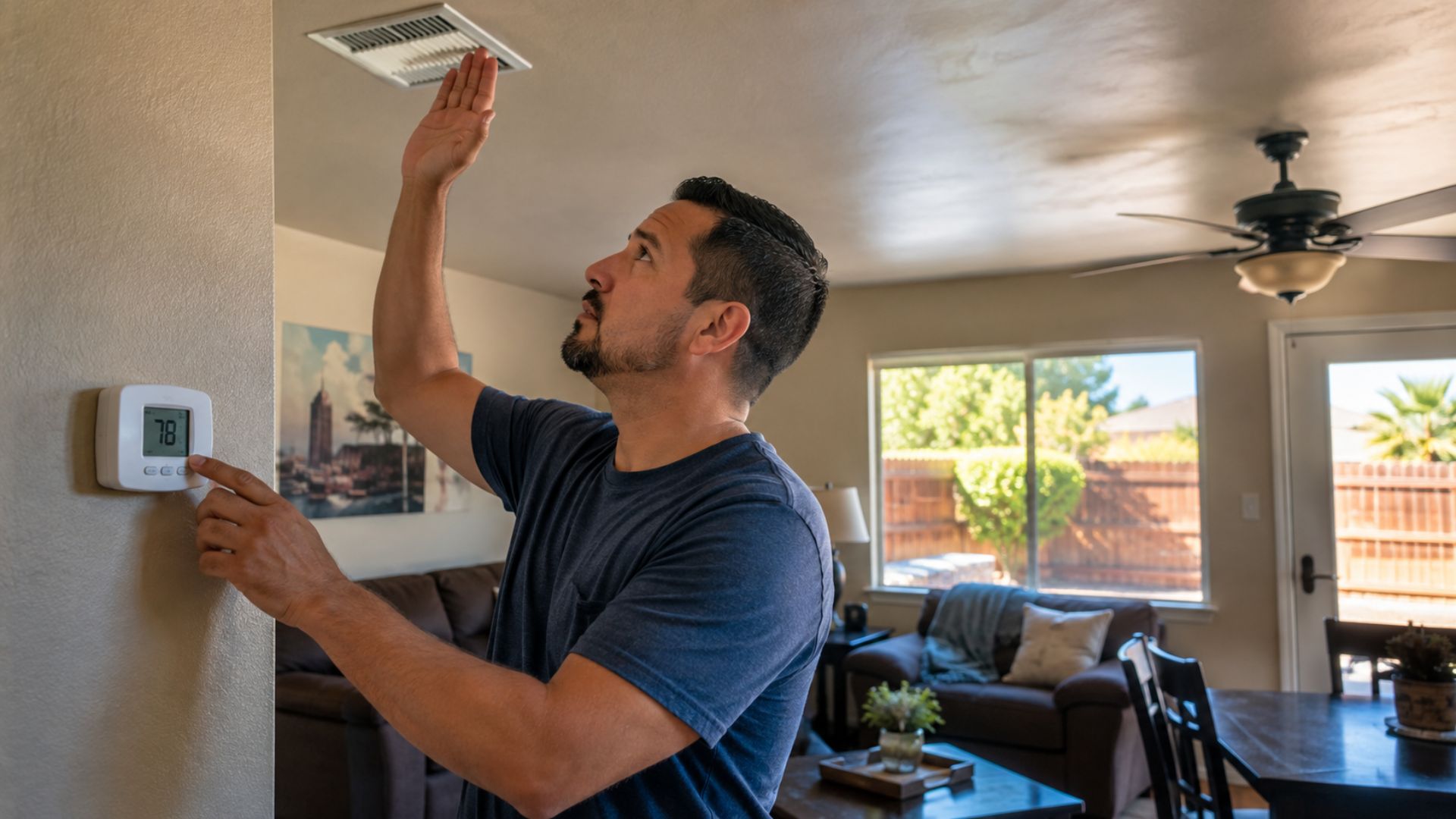
When your AC is running but the house still feels warm, something is keeping the system from cooling the way it should. In San Antonio, that can become uncomfortable quickly once summer temperatures climb.
An AC not cooling properly does not always mean the entire system needs to be replaced. Sometimes the cause is simple. Other times, it can point to a problem that needs professional attention.
Start With the Air Filter
A dirty air filter is one of the easiest things to check. When the filter becomes clogged with dust and debris, it can restrict airflow through the system. That makes it harder for your AC to cool the home and may cause it to run longer.
Check the filter and replace it if it looks dirty. Homes with pets, more dust, or an AC that runs frequently may need filter changes more often.
The filter’s MERV rating matters too. MERV measures how effectively a filter captures airborne particles, but a higher rating is not automatically better for every HVAC system. A filter that creates too much resistance can reduce airflow if the system is not designed for it.
The EPA recommends choosing a filter with the highest MERV rating your system can accommodate. When in doubt, follow the equipment manufacturer’s recommendations instead of simply choosing the highest rating available.
Check Your Thermostat
Before assuming something is wrong with the AC itself, check the thermostat. Make sure it is set to cooling and that the temperature is set below the current temperature inside the home.
If the thermostat uses batteries, replacing them is another easy step to try. A thermostat that is not reading the indoor temperature correctly can also affect how the system operates.
Low Refrigerant or a Refrigerant Leak
Refrigerant allows your AC system to remove heat from the air inside your home. If the system is low on refrigerant, it may continue running without producing enough cool air.
Low refrigerant can also indicate a leak. Adding more refrigerant without addressing the cause does not fix the underlying problem. A technician can inspect the system and determine whether there is a leak or another issue affecting refrigerant levels.
Dirty Coils or Restricted Airflow
Your AC needs proper airflow through both the indoor and outdoor parts of the system.
Dirty evaporator or condenser coils can reduce the system’s ability to remove heat. Debris around the outdoor unit, duct problems, blocked vents, or issues with the blower can also affect airflow and cooling performance.
Homeowners can keep leaves, grass, and other debris away from the outdoor unit. Problems inside the equipment are better left to a trained technician.
While Gillette has long been known for commercial HVAC work, the team also provides residential HVAC service and maintenance in the San Antonio area and can inspect the system when basic troubleshooting does not solve the problem.
Check for a Clogged Condensate Drain
As your AC removes heat and humidity from the air, condensation drains away through a condensate line. Over time, dirt, algae, or other debris can block that line and cause water to back up.
Many systems have a float or safety switch that can shut the AC down when a drain problem is detected to help prevent water damage. If the system stops cooling unexpectedly or seems to operate intermittently, a clogged condensate drain may be one possible cause.
If you notice water around the indoor unit or drain pan, that is another sign the condensate system should be checked.
Your AC May Be Struggling to Keep Up
San Antonio summers put a heavy workload on air conditioning systems. During extremely hot weather, an AC may run longer than usual.
However, if the system runs constantly and still cannot maintain a comfortable temperature, there may be another issue. Equipment performance, ductwork, insulation, airflow, or the overall condition of the system can all play a role.
Older systems can also lose efficiency over time. If the AC has become less reliable, requires frequent repairs, or struggles to cool the home, it may be worth having the entire system evaluated.
When Should You Call an HVAC Professional?
If you have checked the thermostat and air filter and your AC is still not cooling, it may be time for a professional inspection.
A technician can check refrigerant levels, coils, electrical components, airflow, the condensate system, thermostat, and other parts of the equipment to find the actual cause of the problem.
Finding the issue early can also help prevent a smaller repair from becoming a larger one during the hottest part of the year.
If your AC is running but not keeping your San Antonio home comfortable, contact Gillette Air Conditioning to schedule service and have the system checked.